











|
Quantity
|
Total
|
||
|
|
|||
Magic stones are natural minerals. In practice they're chosen by a specific property: by element, by structure, by how the stone feels in the hand. A jewelry stone is chosen first for its cut and clarity. Here, what comes first is the task the stone is chosen for — protection, clarity of mind, love, energy, calm. The same mineral is often called a talisman stone. The word is different, but the function is the same — a personal helper that people carry or keep close for a specific purpose.
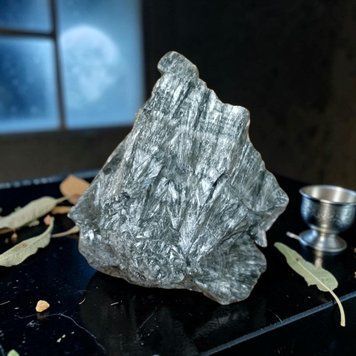
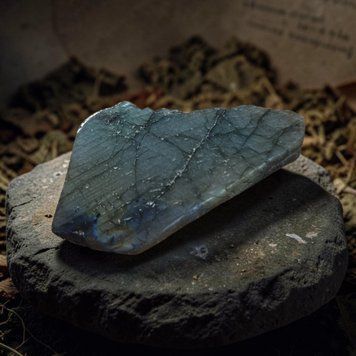
In magical practice a stone serves as an anchor for intention: the practitioner sets the goal, and the stone holds it close all day, so it isn't lost among daily tasks. Form and finishing are secondary here — esoteric stones are chosen raw, tumbled, or as point crystals. What determines a stone's magical value is its property as a mineral, and the cut has no effect on that value.
How a Stone Is Chosen for a Task
A stone for a task is chosen by two markers. The first is the element and property of the mineral, already fixed within the practice. Protection is traditionally tied to tourmaline, clarity of mind to rock crystal, relationships to rose quartz. The second marker is the personal feel in the hand, what's called the first touch. The final word always belongs to that touch: if a stone brings heaviness or an unpleasant feeling on first contact, it won't suit that task, even if it should according to every correspondence.
|
Task or Intention |
Example Stone |
|
Protection |
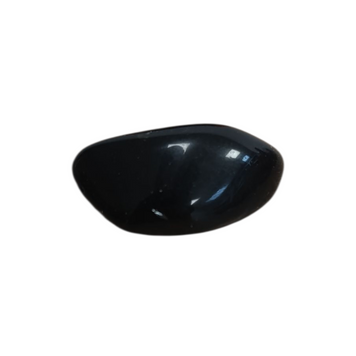
Black tourmaline (schorl) |
|
Clarity of mind |
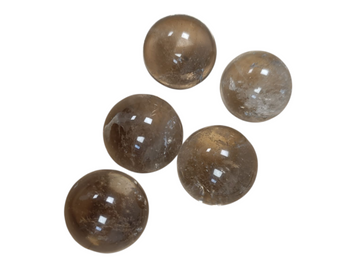
Rock crystal |
|
Love and relationships |
Rose quartz |
|
Energy and strength |
Carnelian |
|
Calm and sleep |
Amethyst |
|
Meditation and focus |
Lepidolite |
An example from practice: someone comes in who hasn't been sleeping well for several weeks, though they never had trouble before. By the table, amethyst or moonstone would fit, but when tested in the hand, moonstone barely responds while amethyst responds at once, with a distinct coolness and weight. We choose amethyst. The correspondence from the books matched the personal feel, and that match is the best sign the stone was chosen correctly.
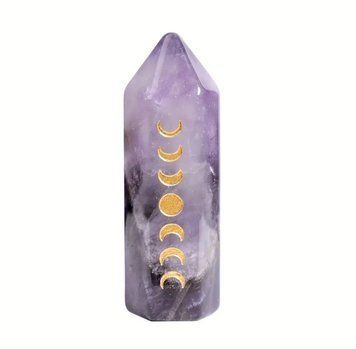
Magic crystals are faceted or polished forms of the same principle. The mineral's property stays the same; only the degree of surface finishing changes. A point crystal directs energy through its tip, a tumbled stone is softer and suits everyday wear, and a raw piece of mineral suits work at home, on an altar, or in a pocket.
How to Cleanse and Charge a Stone
Before working with a new stone, it needs to be cleansed: to remove other people's imprints and whatever the stone may have picked up on its way from the quarry to your hands. A stone is cleansed by one of four methods, and the choice depends on the mineral's density and on how much time you have.
- Salt water is the fastest way to strip away others' traces: hold the stone in salted water for 15–20 minutes. It doesn't suit soft, porous minerals like turquoise or malachite — salt and water damage them.
- If you have dried herbs or incense on hand, pass the stone through the smoke a few times on each side — this method is safe even for the softest stones.
- Sound works more gently than water or smoke: place the stone near a singing bowl or a bell and let the sound pass through it for a few minutes, without touching the stone with water at all.
- And if the stone was used in especially heavy work? Bury it in dry earth or leave it in a pot of soil for a full day — this is the longest cleansing method, but also the deepest.
After cleansing, a stone is charged to restore its working power before a new task. A stone is charged by one of three methods, and the choice here depends on the intention the stone will work with next.
- The sun charges stones of active energy — carnelian, citrine — in a few hours on a windowsill or outdoors, but harms stones that fade in light, like amethyst and rose quartz.
- At full moon it's enough to leave the stone on a windowsill overnight, and by morning moonstone, amethyst, or rose quartz are charged for work with calm and intuition.
- Unlike sun and moon, the palm works for any stone without exception: hold it in your hand for a few minutes and keep a specific goal in mind.
Cleansing and charging accompany a stone throughout its working life. A practitioner usually cleanses a stone right after buying it, then every few weeks or after especially heavy work, and charges it before each new use if the task has changed.
Natural Stone or Fake — What to Look For
A genuine mineral is never perfectly even in color. A natural stone has slight shifts in shade, tiny cracks, flecks of another mineral, and internal growth lines — traces of the fact that it formed in the ground over thousands of years. Glass and resin, by contrast, aim for perfect uniformity: their color is poured evenly, and the surface is the same across the whole stone.
You can check a stone by eye and by touch, with no instruments at all. Hold the stone up to the light. In a genuine mineral, light passes through unevenly, with internal glints and cracks, while in glass it forms one even, solid patch. Look closely for bubbles: tiny round air bubbles inside the stone almost always give away cast glass, because natural minerals never have bubbles.
Weight also tells you a lot. A natural mineral is denser than most imitations of the same size and noticeably heavier in the hand than its volume suggests. Resin and dyed glass are lighter than a real stone, and the difference is felt at once if you hold two similar-looking pieces in one hand. This sign works no matter where the stone was bought, and it's worth checking in any shop, not only ours.
How We Verify a Stone's Authenticity Before Selling It
Every batch of stones is checked before it reaches the catalog. We compare the mineral against a reference sample by color, weight, and structure, and check the stone against the light. If there's any doubt about authenticity, the batch is set aside and looked into separately, and only stones that pass this check go on sale.
- A batch of stones is checked by color, weight, and structure before it appears in the catalog — this filters out fakes at this stage already.
- An honest consultation for your task. If the stone you've chosen doesn't suit your goal, a practitioner will say so directly and suggest a replacement.
- Raw, tumbled, or as a point crystal — choose whichever format is easier to carry with you or place at home.
- A showroom where you can see the stone's color and weight in person and hold it in your hand before buying.
- A raw stone costs less than a large polished crystal of the same mineral — the exact price is listed on each product's page.
- A loyalty program: a cumulative discount of 1 to 10%, promo codes by newsletter, and a discount on the store's birthday.
Buying a stone is worth doing thoughtfully: first decide on your task, then check the table above or write to us if you're unsure. Buying magic stones is easiest right in the format you need — raw, tumbled, or as a point crystal — and the order is assembled and shipped the same day after confirmation. If you'd like to see the stone in person and hold it in your hand, the showroom is open anytime, but for a quick choice, a message to a practitioner is usually enough.
Frequently Asked Questions About Magic Stones and Minerals
Below are the questions about magic stones and minerals most often asked in messages and in the showroom, with direct, practical answers.
Can several stones be kept together at the same time
Yes, keeping several stones together is normal practice, as long as they work toward different tasks and don't clash by element. Dense, active stones like carnelian and black tourmaline pair well, but two strong, opposite-direction stones — say amethyst for calm and citrine for activity — are better kept apart and used in turn, for the moment at hand. There's no universal limit on how many stones you can have; the guide is simply how you feel around that combination.
How to tell a stone "doesn't fit"
It's usually a physical feeling: a slight heaviness, irritation, or an urge to take the stone off right away if it's on a chain or in a pocket. Sometimes the stone simply doesn't respond — you hold it and feel neither warmth nor weight, unlike how you react to stones that are truly yours. If the unpleasant or neutral feeling lasts several days in a row, it's worth swapping the stone for that task.
Do you need to believe in a stone's properties for the work to make sense
No. A stone's property and its tie to an element are settled knowledge within the practice, and it works through the intention you place in the stone. Belief speeds up the result, because a person states the goal more clearly, but the stone's own effect doesn't depend on it.
How often does a stone need re-cleansing and recharging
As a guide, every two to four weeks under normal use, plus an extra cleanse after any noticeably heavy situation. A stone is charged more often: before every time it's brought into a new task, especially if it was working toward a different goal before. If the stone starts to feel duller or heavier than usual, that's a signal to cleanse and charge it outside the regular schedule.
How to arrange a return for a stone
Returning a natural stone follows the general consumer-protection law, with no extra conditions from the store. Check the stone as soon as you receive your order, and for a return or exchange, write to us — we'll walk you through sending the stone back. A refund or replacement is arranged once the stone has been received and inspected.
Can you get a consultation on choosing a stone before ordering
Yes, this is an ordinary free consultation before ordering. Write to us about what you need right now — protection, sleep, clarity of mind, or something else — and a practitioner will suggest one or two suitable stones. If the stone you need isn't available right now or doesn't suit your task, you'll be told honestly instead of getting the first similar stone as a substitute, and that same principle underlies the entire authenticity check before a sale: a stone has to suit the task.