










|
Quantity
|
Total
|
||
|
|
|||
|
|
|||
Amulets of the world are protective charms from different cultural traditions gathered in one section: Japanese, Egyptian, Celtic, and others. Norse symbols like Thor's hammer are in a separate section of the catalog — this one gathers traditions beyond Northern Europe.
Every culture builds its own logic into an amulet. In some, a charm works through a specific deity; in others, through a geometric shape or the material it's made from. Knowing that logic helps in choosing an amulet deliberately, not just by appearance.
Which Amulets of the World Are in the Catalog
Japanese omamori are cloth pouch charms dedicated to a specific Shinto or Buddhist shrine. Paper or wood naming the shrine and the type of protection goes inside, and the word "omamori" itself comes from "mamori" — "protection."
Egyptian amulets are represented by the ankh and the scarab. The ankh, the Egyptian cross, traditionally protects people with a brave heart and pure thoughts. The scarab was a symbol of immortality in ancient Egyptian tradition — the beetle's image was placed on clothing and made into jewelry charms.
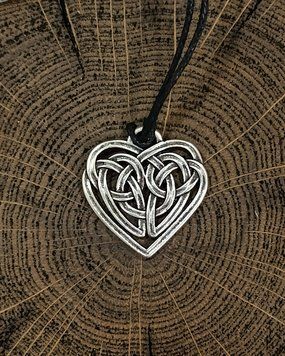
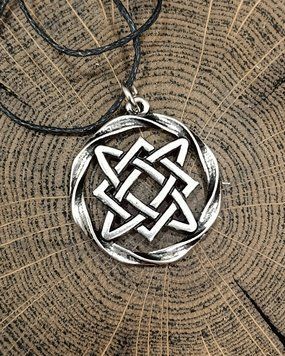
Celtic tradition is represented by the triquetra, a knot of three interlocking arcs. For the Celts, the symbol stood for the threefold nature of soul, body, and mind, as well as the unity of earth, sky, and sea.
Omamori, Ankh, and Triquetra — the Meaning Behind the Power of Amulets
|
Amulet |
Culture |
Meaning and Features |
|
Omamori |
Japanese |
Associated with a specific purpose: health, love, success in studies, or safe travel. Traditionally receives the blessing of the temple where it was made |
|
Ankh |
Egyptian |
Symbolizes life and life force. Its meaning is contained directly in the ancient symbol rather than in dedication to a particular temple |
|
Scarab |
Egyptian |
Associated with rebirth, renewal, and immortality. The meaning of the amulet is based on the image of the scarab in ancient Egyptian culture |
|
Triquetra |
Celtic |
Symbolizes the unity of three interconnected parts, such as the soul, body, and mind. Its meaning is associated with balance and wholeness |
How to Choose an Amulet by Culture, Not Just by Looks
The simplest starting point is which logic resonates more strongly. Some are drawn to the precision and specificity of a Japanese omamori — a concrete goal, a concrete blessing. Others care more about a symbol with a multi-thousand-year history, like the ankh or the scarab. Some choose the triquetra for the idea of balance rather than protection from something specific.
Mixing symbols from different cultures on one amulet isn't customary — each charm carries the logic of its own tradition, and combining them usually reads more like a decorative collage than a working charm. Wearing amulets from different cultures at the same time, but separately, is a different matter entirely, and that doesn't conflict at all.
If it's hard to decide between cultures, a consultation can help narrow the choice down to one or two traditions closest to what you're looking for in an amulet.
Ask Us If You're Not Sure Which Culture's Amulet to Choose
- Online consultation. Describe what matters most to you — a precise goal, historical symbolism, or the idea of balance — and we'll suggest a fitting tradition.
- Only accurate symbolism for each culture — no distorted versions of omamori, the ankh, the scarab, or the triquetra.
- Orders are processed and shipped the same day, with no warehouse delays.
- A cloth omamori costs less than a metal amulet with Egyptian symbolism — the exact price is listed on each product's page.
- Loyalty program: a cumulative discount of 1–10%, promo codes by newsletter, and a discount on the shop's birthday.
- A physical showroom where you can examine amulets from different cultures side by side and compare before buying.
Buying an amulet of the world works right on the site — Japanese, Egyptian, and Celtic symbols are gathered in one catalog, and we pack and ship the order the same day. If you're not sure which tradition fits your request, write to us before ordering — we'll walk through the logic of each culture. Returns follow the general consumer-protection law.
Questions About Amulets of the World
Can Amulets From Different Cultures Be Worn at the Same Time
Yes, amulets from different traditions don't conflict with each other as long as no one tries to merge them into a single object. An omamori, an ankh, and a triquetra coexist just fine, since each works by its own separate logic without overlapping the others.
Do You Need to Practice the Corresponding Religion to Wear One of These Amulets
No, an amulet is chosen for its symbolism and personal resonance, not religious affiliation. Omamori are sold at Shinto and Buddhist shrines to tourists of any faith, and the same attitude carries over to wearing an amulet casually outside Japan.
Does an Omamori Lose Its Blessing Outside a Japanese Shrine
By tradition, the blessing is believed to last as long as the amulet itself stays whole and unopened — opening an omamori to look inside isn't customary. Distance from the shrine doesn't affect this; what matters is the amulet staying intact.
How to Care for Amulets Made From Different Materials
A cloth omamori isn't washed or wetted — it's simply carried around or hung somewhere visible. Metal amulets with Egyptian or Celtic symbolism are wiped with a soft cloth and stored separately from other jewelry to avoid scratching the design.
How to Arrange a Return for an Amulet
Returns follow the general consumer-protection law, with no extra conditions from the store. It's worth checking an amulet right when the order arrives.