





|
Quantity
|
Total
|
||
|
|
|||
|
|
|||
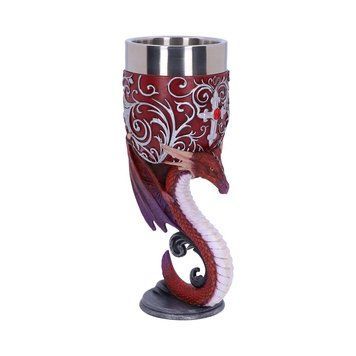
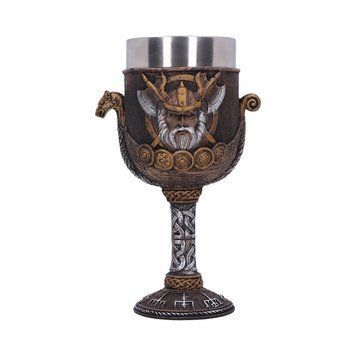
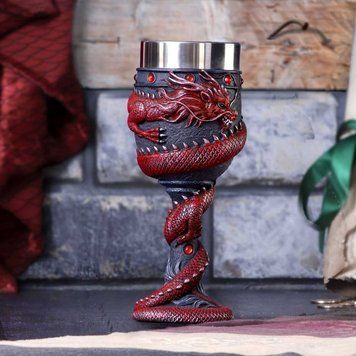
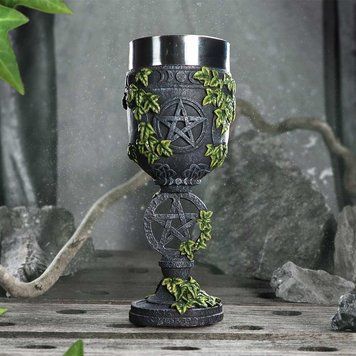
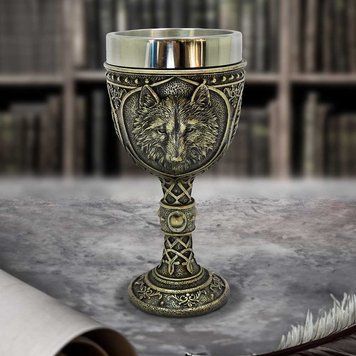
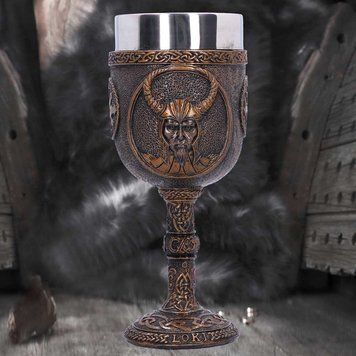
A ritual cup is a vessel that symbolizes the element of Water and is invoked when consecrating the circle and the altar itself. An ordinary mug has no such role: a ritual cup holds water, wine, or an offering in the practitioner's hands at the moment when the element needs to be physically present alongside the intention. Without such a vessel, the element of Water on the altar remains only a word in the text of the rite.
The material of the cup affects how the element of Water interacts with the intention in a specific rite. Metal strengthens and holds the energy of the working longer, stone grounds and stabilizes the state, and clear glass barely distorts the properties of the water itself — these differences determine which vessel to choose for each particular ritual.
What a Cup or Chalice Is For on the Altar
By tradition, all four elements are present on the altar — earth, air, fire, and water. The cup occupies the position of Water alongside the attributes of the three other elements, making that element physically present on the altar throughout the rite.
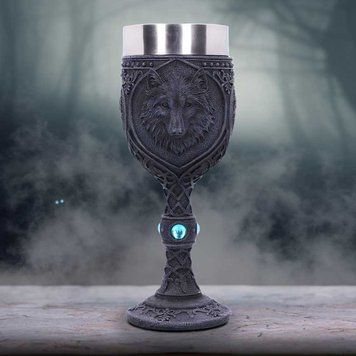
The same vessel is also called a ritual chalice — both words in the catalog and in practitioners' conversation refer to the same object with the same function. A cup and a chalice differ in shape: a cup usually has a stem, while a chalice more often doesn't. This difference doesn't affect the role of the element of Water.
Consecrating the circle or the altar usually involves water or wine in a vessel — the practitioner sprinkles it along the boundaries of the space or places the cup on the altar as a physical anchor for the element throughout the rite. An altar without a vessel of water feels incomplete even visually: three elements are present, and the fourth isn't represented by anything material.
Which Rituals Use a Cup
In divination, a cup of water serves as a mirror: the practitioner gazes into the surface of the water or the reflections at the bottom of the vessel, asking a question about how a situation or a relationship will develop over time. Water in the cup works as a mediator — the element helps read images where an ordinary mirror or cards would give a different kind of answer.
Questions about time — when a difficult period will end, when the right moment for action will come — are worked through in the same way with a cup, where the fluidity of water symbolically answers to the fluidity of time. Questions about relationships are asked in a similar way: two people or two paths are symbolically brought together at one vessel of water, watching how the element behaves.
Offerings — water, wine, honey, milk — are placed in a cup for offerings or a chalice for offerings, depending on how the vessel is called in a particular tradition. Consecrating water and wine before a rite begins also goes through the cup: the practitioner adds salt to the vessel or speaks words of consecration, and the liquid is then used in the ritual as a charged element.
How to Choose a Cup for the Type of Ritual
The material and shape of an altar cup change depending on the goal of the ritual: what works for cleansing rarely works for ancestor work or for rituals of power. Orienting by the goal of the rite is the most reliable way to choose a vessel when it's unclear where to start.
|
Goal of the Ritual |
Suitable Material or Shape |
|
Cleansing |
A clear or white chalice — glass or light-colored porcelain doesn't hold onto anything and lets you see straight through the water |
|
Rituals of Power and Authority |
A massive metal cup — the weight and density of the metal work toward the same goal as the rite itself |
|
Ancestor Work, Protection, Stabilization |
A stone chalice — stone grounds the working and holds energy longer than glass or thin metal |
Would a cup from the set above still work if the ritual is mixed — say, a rite devoted to both cleansing and ancestor work at once? In that case, the material is chosen by whichever element matters more for the specific goal: if the emphasis is on the durability of the result, stone usually outweighs glass.
A metal cup and a stone chalice behave differently during a long rite: metal reacts faster to the temperature of the hands and the surroundings, while stone heats up more slowly and holds the temperature of the water or wine inside longer. For short rites, this difference is barely noticeable. For extended rituals of power, it becomes noticeable after just ten to fifteen minutes of work.
How a Cup Differs From a Chalice
A cup and a chalice are two words for one family of objects, and the difference between them is purely structural. A cup has a stem or a base that lifts the vessel above the level of the altar. A chalice usually has no stem, and its walls flare out wider from a flat bottom.
In the catalog, a cup and an altar chalice are listed as variants of the same product family, because traditions diverge in terminology far more than the vessels themselves diverge in function. In one tradition, a vessel with a stem is called a cup; in another, the same object is called a chalice — the shape of the stem doesn't change what the vessel is for on the altar.
On the practical side, the difference in shape still matters. A cup with a stem is easier to hold during a long ritual, because the hand doesn't touch the bowl itself and doesn't warm the liquid inside. A chalice without a stem stands more stably on the altar and tips over less often when there are many other objects nearby — divination cards, candles, incense.
How a Practitioner's Consultation Helps When Choosing a Cup
- Online consultation with a practitioner. Before buying a cup, you can write to us and describe the specific ritual or tradition: a practitioner will suggest a vessel that fits the task.
- Authenticity of the material. The catalog carries only genuine silver, pewter, and stone — no cheap alloy or resin made to look like metal or stone, as sometimes happens with cheaper alternatives.
- A clear price reference point. A simple pewter cup costs less than a carved silver cup with engraving — the exact price is always listed on each product's page.
- A showroom in Kyiv. You can hold a cup in your hands and judge the weight and material in person at the showroom — Kyiv, Bessarabska Square 2, Metrograd Mall, entrance from Khreshchatyk. It's a convenient addition to correspondence if you'd like to see the vessel in person before buying.
- Regular customers build up a cumulative discount of 1 to 10% on purchases, get promo codes in the newsletter, and receive an extra discount on the store's birthday.
Buy a cup for the altar right on the site — placing the order takes a few minutes, and we pack and ship it the same day. Buying an altar cup also works through correspondence, if you'd rather discuss the material and shape with a practitioner first. The price depends on the material and craftsmanship: the exact cost is listed on each vessel's page. If you're not sure which cup fits your ritual, write to us before ordering — we'll tell you honestly if a specific item doesn't suit your task. And anyone near Kyiv is always welcome to see the cups and chalices in person at the showroom on Bessarabska Square.
What People Ask About Ritual Cups and Chalices
These questions about ritual cups and chalices come up constantly — in correspondence and in the showroom alike.
How a Ritual Cup Differs From an Ordinary Goblet, and Whether Household Dishware Can Be Used Instead
A ritual cup differs in its purpose: it's used only for rites, and it doesn't sit on the table as ordinary dishware for food or drinks. Household dishware can be used as a last resort, but it carries the trace of everyday actions and emotions unrelated to the rite. A dedicated vessel, used only for rituals, works more predictably over time.
Do You Need a Separate Cup for Water and for Wine or Offerings
A separate cup for water and for wine or offerings isn't required — one vessel handles both tasks if it's washed between rituals. Some practitioners still keep two cups — one for water for divination, the other for wine and offerings — so it's easier not to mix up the purpose and the energy of each vessel. Both approaches work equally well — the choice usually comes down to storage convenience and the practitioner's personal habit.
How to Tell If a Cup Fits My Ritual
A cup fits the ritual if its material and shape match the goal of the rite. Massive metal is more often used for rituals of power, stone for ancestor work and stabilization, and clear glass or light porcelain for cleansing. If the goal doesn't fall into any of these categories, a consultation with a practitioner who looks into the specific rite will give a precise answer.
Does a Cup Need Energetic Cleansing Before Its First Use
Yes, a new cup is worth cleansing before its first ritual, even if no one has used it before: the vessel picks up outside energy during manufacturing, storage, and transport. Simple methods work — smudging with incense smoke, rinsing with running water and salt, or leaving it in sunlight and moonlight for a full day. After such cleansing, the cup is ready to hold the element of Water without any outside residue.
Payment Methods for a Cup
Payment methods for a cup or chalice are flexible — a range of payment options, including cash on delivery, if that's more convenient. The choice of payment method doesn't depend on whether it's a cup or a chalice, metal or stone: the rule is the same across the whole catalog.
Can a Cup Be Ordered for a Specific Tradition or Rite
Yes, a cup for a specific tradition or rite can be selected through a consultation with a practitioner: tell us about the tradition and the goal, and we'll suggest a suitable material and shape from the catalog. If a ready-made option for a very rare tradition can't be found, a practitioner will say so honestly instead of offering the first vessel available. You can write to us at any point before ordering — discussing the tradition and the goal of the ritual doesn't commit you to anything.