





|
Quantity
|
Total
|
||
|
|
|||
The end of the year is impossible to imagine without decorated Christmas trees, the rustle of gifts, the smell of mandarins, carols, nativity plays, themed decorations, and a sense of wonder. We believe that Saint Nicholas will come and leave a gift—whether under the pillow, under the bed, or on the windowsill.
Later, we gather as a family for Christmas—with kutia, twelve dishes, and carols: some on December 25, others still on January 7. On New Year’s Eve, some may still wait for Ded Moroz, others for Santa, while some simply exchange gifts, greetings, and wishes. For everyone, it is a special time to reflect on the past year, set goals for the next 365 days, and feel the magic of unity, hope, and love.
Alongside the festive winter traditions, there are always historical questions. What symbols shape traditional and modern Ukrainian Christmas? Why do we wait for Saint Nicholas, and how is he connected to Santa? Who is Ded Moroz, and is he truly a product of Soviet culture? When did Ukrainians start decorating Christmas trees, and did it replace the didukh? How did urban and rural Christmas practices coexist? How were new holiday traditions shaped under Soviet rule and during independence?
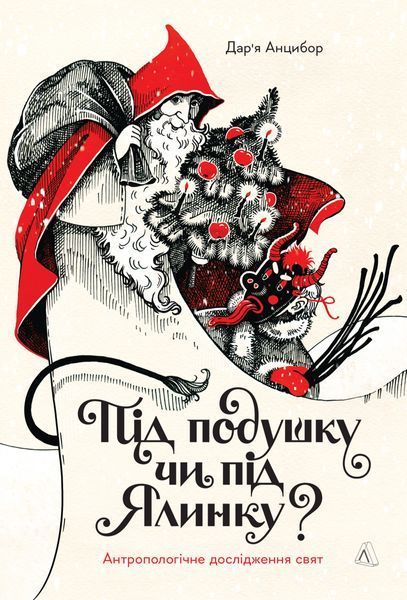
Winter holidays are family traditions, belief in miracles, treats, and gifts. Anthropologist Daria Antsybor’s in-depth study “Under the Pillow or Under the Christmas Tree” helps uncover how and when these ideas became established.