






|
Quantity
|
Total
|
||
|
|
|||
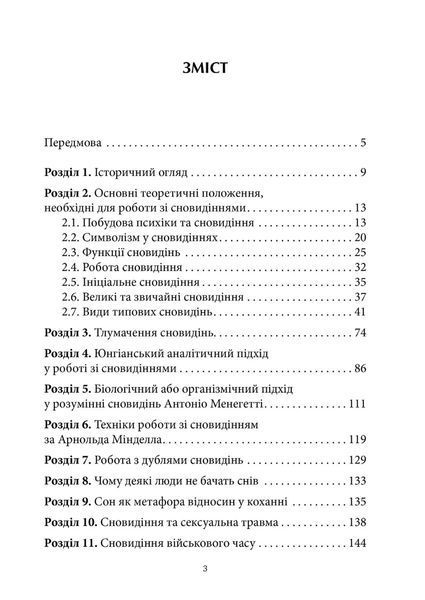
“Anti-Dream Dictionary” approaches dreams not as collections of universal mystical symbols, but as deeply personal psychological experiences connected to an individual’s emotions, memories, conflicts, and inner life.
The book focuses on practical methods of dream analysis used in psychology and psychotherapy. Instead of offering fixed meanings for dream images, it teaches readers how to explore the personal significance of specific dreams within the context of a particular person’s experiences and state of mind.
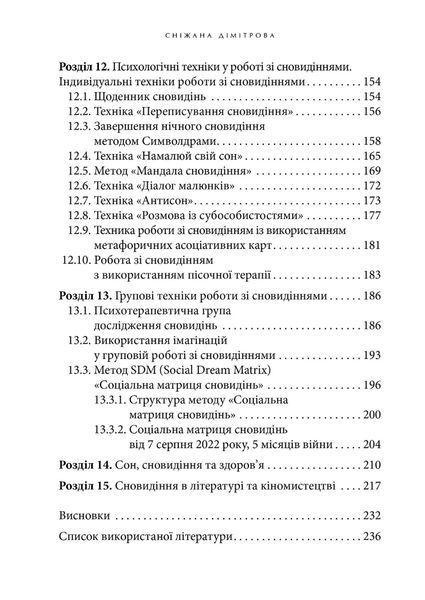
Intended both for mental health professionals and general readers interested in dream interpretation, the book presents individual and group techniques for working with dreams, including methods for:
- remembering dreams more clearly,
- analyzing recurring themes and symbols,
- understanding emotional content,
- reducing fear or anxiety connected with dreams,
- and using dreams as tools for self-reflection and personal growth.
The central idea of the book is that dreams can provide insight into the subconscious and help people better understand themselves, their emotions, and unresolved internal conflicts.