




|
Quantity
|
Total
|
||
|
|
|||
|
|
|||
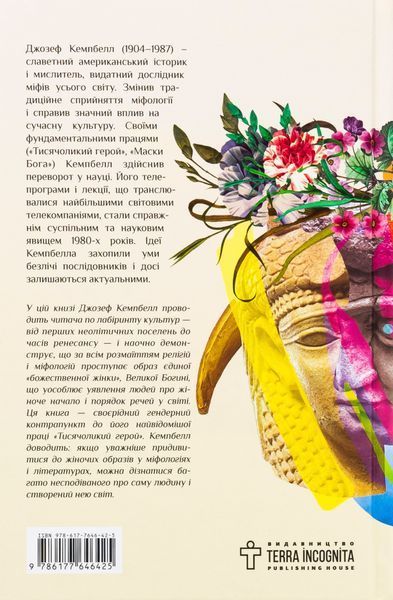
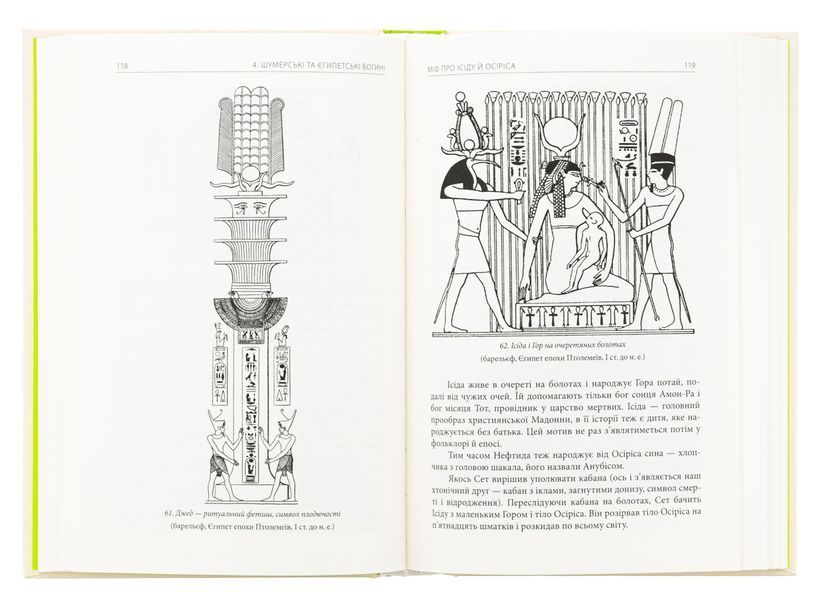
“Goddesses: Mysteries of the Divine Feminine” explores the role of female divinity in world mythology through the lens of Joseph Campbell’s comparative mythological research. The work examines goddess figures from a wide range of cultures, spanning from Neolithic societies to later historical periods such as the Renaissance.
Campbell’s central idea is that behind the diversity of mythological traditions there are recurring symbolic patterns. In this case, many goddess figures are interpreted as expressions of a broader archetype often referred to as the Great Goddess—a representation of feminine creative, nurturing, and transformative forces in the cosmos.
The book highlights how different mythological systems portray female divinity in multiple roles, such as:
- creator and origin of life,
- protector and nurturer,
- embodiment of nature and fertility,
- destroyer and transformer within cycles of death and rebirth.
Rather than treating these myths as separate or contradictory, Campbell reads them as variations of a shared symbolic language that reflects humanity’s attempts to understand nature, life cycles, and existence itself.
In relation to his earlier work “The Hero with a Thousand Faces”, which focuses on the universal male hero archetype, this book can be seen as a complementary exploration of the feminine dimension in mythological consciousness.
Overall, the text presents myth not as literal history, but as a symbolic system through which cultures express deep psychological and existential truths about human life, identity, and the structure of reality.