




|
Quantity
|
Total
|
||
|
|
|||
|
|
|||
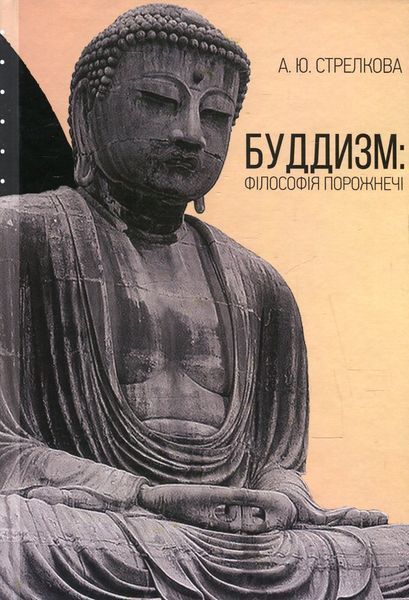
“Buddhism: The Philosophy of Emptiness” is a foundational study of Buddhist philosophy that approaches Buddhism not as a collection of separate schools or doctrines, but as a unified philosophical-religious system built around the concept of emptiness (śūnyatā).
The book argues that the idea of emptiness serves as a central thread connecting diverse Buddhist traditions—from early Indian Buddhist schools to later developments such as Japanese Zen Buddhism. Through this lens, Buddhism is presented as a coherent intellectual and spiritual tradition rather than a fragmented set of practices.
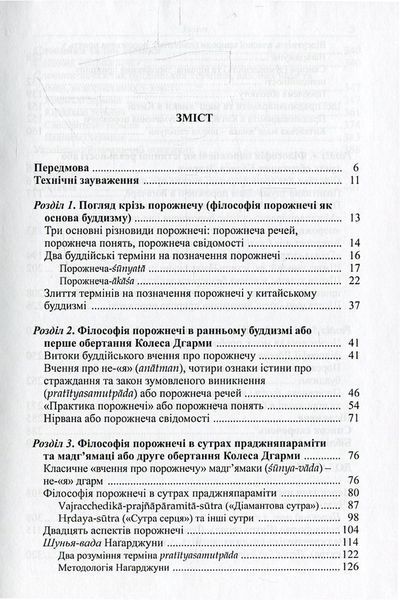
A key focus of the work is the exploration of emptiness as a philosophical principle that informs:
- ontology (the nature of being),
- epistemology (the nature of knowledge),
- ethics,
- and philosophy of language.
By “reading Buddhism through emptiness,” the author aims to reveal the internal logic that underlies many Buddhist teachings and meditative practices, showing how they interconnect across historical periods and cultural contexts.
The book also includes translations of three important Buddhist sutras:
- The Shorter Discourse on Emptiness (Chūla-Suññata Sutta)
- The Heart Sutra (Prajñāpāramitā Hṛdaya)
- The Diamond Sutra (Vajracchedikā Prajñāpāramitā Sūtra)
It is intended for scholars, students, and readers interested in Buddhist thought and Eastern philosophy, offering both analytical depth and direct engagement with primary texts.